

Past Volunteer Positions and Roles
- Chair, Moravian Church Division of Communications – 1984-1994
- Vice-Chair, Greater Reading Council of Churches – 1985-1995
- Host & Producer, Berks Community Television, 1986-1991
- President, Union NJ Council of Churches – 1997-98
- Executive Board, Piedmont Triad Film Commission, 2007-2017
- International Judging Committee, Aurora Awards – 2003-2004
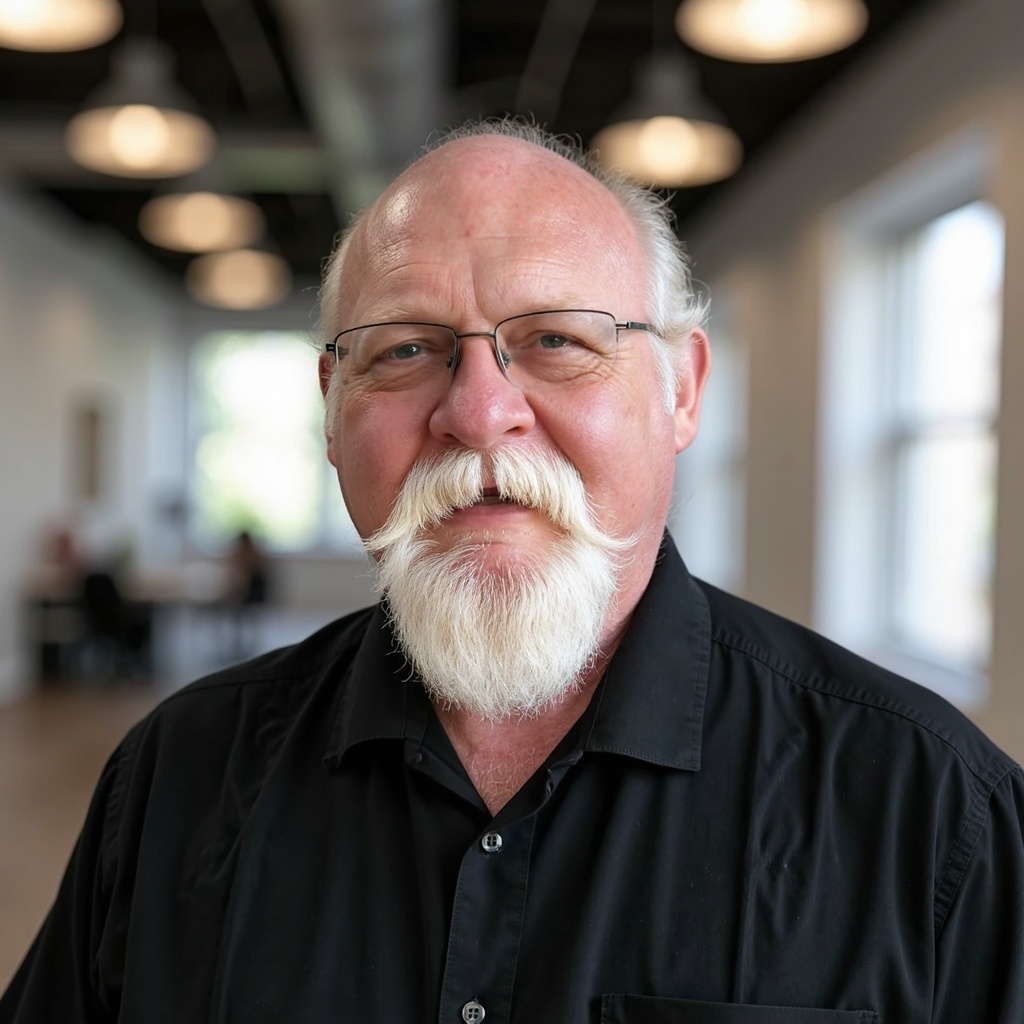
John Jackman is a pastor, philosopher, filmmaker, and speaker whose work lives at the intersection of faith, ethics, science, and story. For more than four decades, he has helped audiences explore what it means to believe, to doubt, and to grow—intellectually, emotionally, and spiritually—in a complex and rapidly changing world.
Ordained in 1982, John serves as Senior Pastor of Trinity Moravian Church in Winston-Salem, North Carolina. He holds a B.A. in Philosophy from Moravian College and a Master of Divinity from Moravian Theological Seminary, along with specialized training in ministry to those living with mental illness. His academic background, combined with decades of pastoral experience, has shaped a distinctive voice—one that emphasizes intellectual humility, ethical reflection, and the courage to question assumptions.
Under his leadership, Trinity Moravian Church has become widely recognized for innovative community engagement, most notably the Debt Jubilee Project, an initiative that has purchased and forgiven large amounts of past-due medical debt for families in need. The project gained national and international attention and helped inspire broader efforts to address the growing crisis of medical debt through nonprofit and statewide partnerships.
John’s vocational life extends well beyond the pulpit. He is an award-winning filmmaker and a recognized expert in television lighting and visual storytelling. He has taught for the American Film Institute, lectured at the Library of Congress, and spoken at colleges and film schools across the country. He is the author of Lighting for Digital Video & Television and Blue Screen Compositing, and he served for many years as a contributing editor to DV Magazine. His work in media reflects a lifelong fascination with perception—how what we see, and think we see, shapes what we believe.
That fascination traces back to his early years. Born in Durham, North Carolina, while his father was studying philosophy at Duke University, John grew up in Raleigh in a family deeply engaged in the civil rights movement. The church his family attended was a hub of local activism and hosted what was likely the first interracial Vacation Bible School in the country. These early experiences instilled in him a lasting commitment to justice, inquiry, and the moral responsibilities of belief.
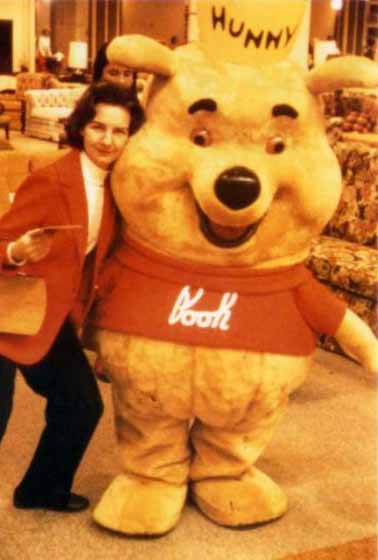
From a young age, John was drawn to performance and communication. He fell in love with magic and performed as a magician and clown, joining the International Brotherhood of Magicians and working professionally at events – he was “Winnie the Pooh” for Sears back when they introduced a new line of children’s clothing. During college, he became deeply involved in media production, managing a television studio and producing multimedia presentations at a time when the field was still in its infancy. His early creative work laid the foundation for a career that would seamlessly blend storytelling, technology, and teaching.
After seminary, John served as a chaplain at Allentown State Hospital, where his concern for individuals and families affected by mental illness took root. He went on to pastor congregations in Pennsylvania and New Jersey while simultaneously developing a “tentmaker” ministry that combined part-time pastoral leadership with professional work in media production.
His film and television career expanded significantly during his years near New York City, where he worked with production studios creating pilot programs and broadcast content. He earned a Bronze Telly Award for editing a documentary and became a respected voice in the emerging field of digital video production. In 1998, he co-founded a production company in North Carolina, producing award-winning documentaries and educational programming. He later helped establish a nonprofit foundation dedicated to creating high-quality films on faith and history.
Among his most notable film projects are feature-length works on John Wesley and John Newton, historical figures whose lives intersected with major religious and social movements. These films have been featured at international festivals and broadcast on networks around the world. His creative work consistently reflects his deeper interests: the ways history, belief, and human experience shape one another across time.
Throughout his career, John has also remained deeply committed to live communication. He has spoken widely to churches, universities, conferences, and community organizations, often drawing on a unique blend of theology, philosophy, neuroscience, and cultural observation. His talks challenge audiences to rethink certainty, recognize cognitive blind spots, and embrace curiosity as a discipline rather than a distraction.
Current Positons & Roles
- Director, Live broadcast of Salem Congregation Easter Sunrise Service
- Moravian Church Southern Province Team for Racial, Ethnic, and Cultural Reconciliation
- Chair, Moravian Church Southern Province Archives Commission
- Friends of Estamos Unidos
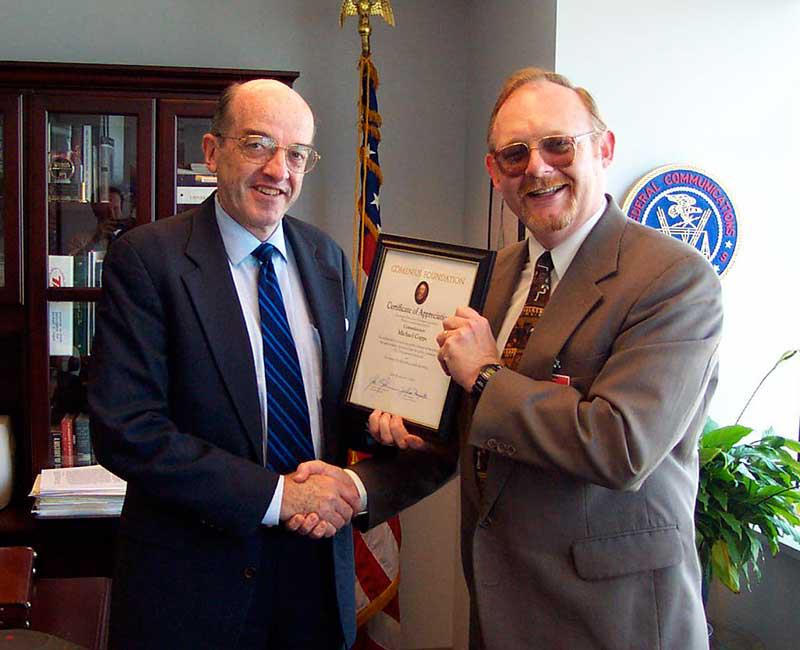
The the early 2000’s, when laws and regulations were changing radically, John was part of a campaign to preserve diversity in national and local media ownership. He met with FCC commissioners, senators, congress persons, and media leaders. Sadly, the juggernaut of media consolidation rolled past all efforts, and now all major news sources are owned and controlled by a tiny group of billionnaires.
A central theme in his work is the idea that doubt is not the enemy of faith but an essential part of its development. He frequently explores concepts such as the Dunning–Kruger effect, the limits of human knowledge, and the ethical implications of how we form beliefs. His approach resonates in both religious and secular settings because it invites honest questioning while maintaining a deep respect for meaning and tradition.
John’s speaking style is engaging, accessible, and thought-provoking. He moves easily between humor and seriousness, weaving together personal stories, historical insight, and scientific research into a cohesive narrative. Whether addressing a small group or a large audience, he creates an environment where people feel both challenged and respected—encouraged to think more deeply without being pushed toward simplistic answers.
In addition to his public work, John continues to pursue a wide range of personal interests that reflect his curiosity and craftsmanship. He has built two harpsichords by hand under the guidance of master builder Willard Martin and enjoys restoring his classic Jaguar XJ6. He and his family live in the woods outside Winston-Salem, sharing their home with two foundling cats and three rescued ducks—daily reminders of the unpredictability and richness of life.
At the heart of all his work is a consistent invitation: to recover a sense of mystery in an age of easy certainty. John Jackman challenges audiences to think deeply, question honestly, and remain open to the possibility that wisdom begins not with answers, but with better questions.
– Patricia Gath